
How to Reduce Menopause Weight gain A Practical Guide
If you’re navigating weight gain during menopause, the first thing to know is that you’re not alone and it’s not your fault. This is a shared experience rooted in deep physiological shifts, not a personal failing.
The key to feeling strong and in control is to work with your body’s new anatomical blueprint, not against it. We’ll focus on combining targeted, low-impact strength training with strategic nutrition and lifestyle adjustments that support your new hormonal reality.
Understanding Your Body's New Blueprint
Does it feel like the rules for managing your weight suddenly changed overnight? You’re right—they did. The perimenopause and menopause transition rewrites your body's internal instruction manual, especially when it comes to managing muscle and storing fat.
The central player in this story is estrogen. As its levels decline, a cascade of anatomical changes begins, fundamentally altering your body composition. This hormonal shift directly impacts your metabolism and the specific anatomical locations where you store fat, making it easier to gain weight even if you haven't changed a thing about your diet or exercise habits.
The Anatomical Shift in Fat Storage
One of the most noticeable changes is where your body decides to store fat. Before menopause, estrogen receptors in your hips, thighs, and buttocks directed fat storage to those areas. This is known as subcutaneous fat.
As estrogen drops, your body's fat storage preference shifts dramatically to the abdominal area. This isn't just about how your clothes fit. The fat that accumulates around your midsection is often visceral fat, a metabolically active type that surrounds your internal organs like the liver and intestines. Unlike the fat just under your skin, visceral fat is linked to increased inflammation and a higher risk for health issues.
Why Muscle Mass Matters More Than Ever
At the same time, declining estrogen accelerates the natural age-related loss of lean muscle mass, a condition called sarcopenia. Your muscle is your body's primary metabolic engine—it contains the most mitochondria, the cellular powerhouses that burn calories at rest.
Losing this metabolically active tissue directly slows down your basal metabolic rate.
Your body essentially becomes less efficient at burning calories throughout the day. This metabolic slowdown, combined with the anatomical shift to abdominal fat storage, creates the perfect storm for the weight gain so many of us experience.
Just how common is this? Research shows that between 50% to 70% of women gain weight during this transition. The average increase is about 1.5 kilograms (3.3 pounds) per year, often resulting in a total gain of around 10 kilograms (22 pounds) by the time menopause is reached.
Even more critically, the proportion of visceral fat can double, increasing from 5-8% of total body fat to as much as 10-15%. You can explore more on how common menopause weight gain is with these insights.
To really grasp what's happening inside, let's break down the primary physiological drivers behind these changes.
Key Anatomical Shifts Driving Menopause Weight Gain
This table offers a quick summary of the primary physiological changes that contribute to weight gain, helping you understand the 'why' behind your experience.
| Physiological Factor | Anatomical Impact | Resulting Challenge |
|---|---|---|
| Declining Estrogen | Signals the body to store fat around the abdominal organs (viscera) instead of subcutaneously on the hips and thighs. | Increased accumulation of dangerous visceral fat. |
| Sarcopenia (Muscle Loss) | The rate of natural muscle fiber atrophy accelerates, reducing metabolically active tissue. | A slower resting metabolism, meaning fewer calories are burned by your cells throughout the day. |
| Insulin Resistance | Muscle and liver cells become less responsive to the hormone insulin, leading to higher blood sugar levels. | The body is more likely to store excess glucose as fat, particularly in the midsection. |
| Cortisol Imbalance | Fluctuating hormones can increase stress, signaling the adrenal glands to release elevated cortisol levels. | Higher cortisol promotes cravings for high-calorie foods and encourages abdominal fat storage. |
Understanding these interconnected anatomical changes is the first, most empowering step you can take. It reframes the challenge from a personal failing to a physiological reality.
With this knowledge, you can adopt the targeted strategies we’ll cover next, which directly address these root causes. It’s all about learning how to reduce menopause weight gain by building a stronger, more resilient body for this new chapter.
Why Your Metabolism Shifts During Menopause
If you feel like the rulebook for your body's metabolism has been completely rewritten, you're not wrong. What worked to maintain your weight in your 30s and early 40s suddenly seems to have stopped working. I want to be clear: this isn't a failure of willpower. It's a profound biological shift driven by your changing hormones.
At the heart of it all is estrogen. This powerful hormone does so much more than just regulate your menstrual cycle. As its levels decline during the menopausal transition, it sends a cascade of new signals throughout your body, fundamentally altering how you use and store energy. Think of it as your body's internal operating system getting a major update—and now you have to learn the new software.
The Hormonal Signal for Belly Fat
One of the first things many women notice is a change in their body's anatomy. Estrogen has a huge say in where fat is deposited. For most of our reproductive years, it directs fat toward the hips, thighs, and buttocks—a distribution that supports pregnancy.
But as estrogen levels fall, that directive changes. Your body starts to favor storing fat in the abdominal region, specifically as visceral fat. This is the deep, metabolically active fat that wraps around your internal organs. It's more than just a cosmetic concern; this type of adipose tissue is known to produce inflammatory substances called cytokines that can impact your overall health.
This diagram really connects the dots between lower estrogen, muscle loss, and where your body decides to store fat.
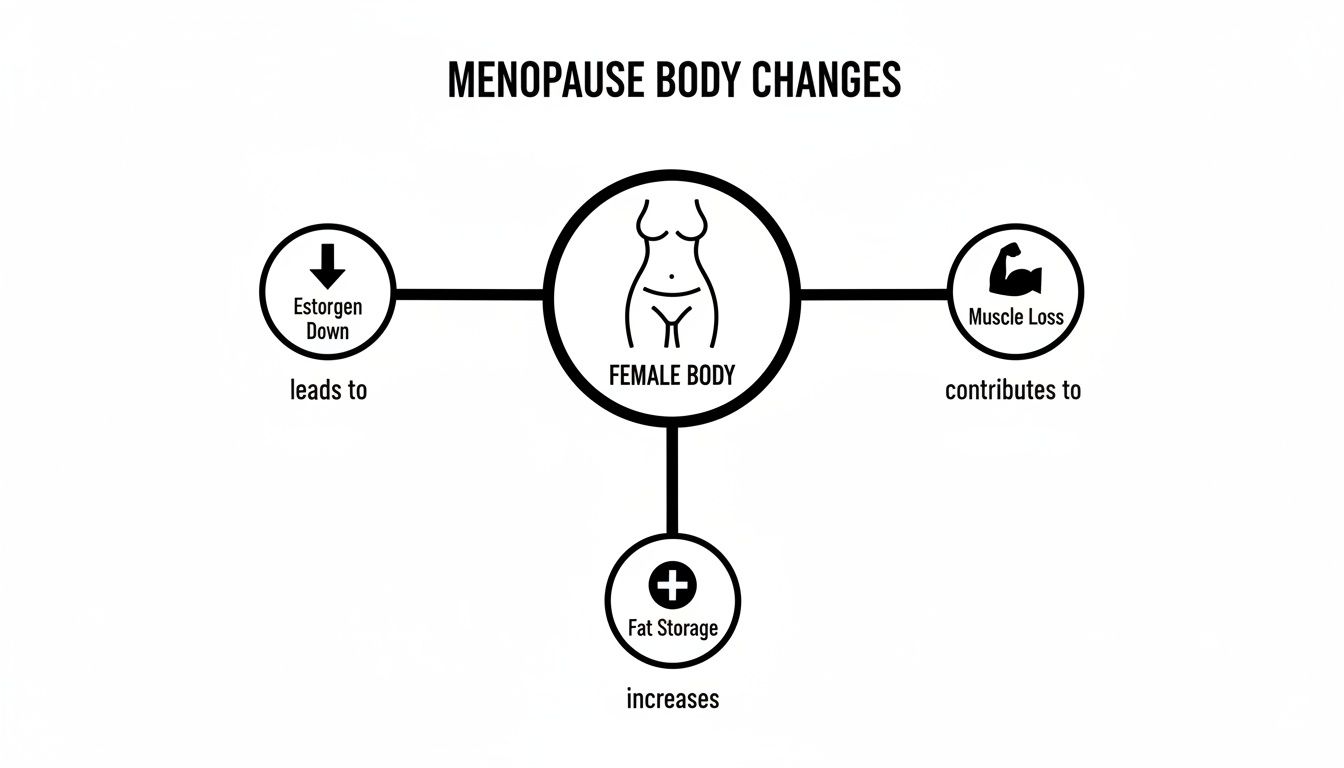
You can see how the central event—that drop in estrogen—triggers a domino effect that directly impacts your body composition. Understanding this is the first step in learning how to work with your body, not against it.
The Silent Loss of Your Metabolic Engine
At the same time, another critical change is happening, often under the radar: the loss of lean muscle mass. This age-related decline, known as sarcopenia, gets a significant push from lower estrogen levels. Your skeletal muscles are your primary metabolic furnace; they contain the most mitochondria, the cellular powerhouses that burn calories all day long.
When you start losing this metabolically active tissue, your resting metabolic rate—the number of calories your body burns at rest—naturally slows down. This creates a really challenging equation. You're burning fewer calories daily, which makes weight gain much more likely, even if you haven't changed your diet at all.
This is exactly why so many traditional, cardio-heavy workout routines become less effective during this stage of life. If you're not actively working to preserve and build that metabolic engine, you're fighting an uphill battle. For more specifics on this, our guide on how to build lean muscle for women is a great resource.
Your Body's New Relationship with Carbohydrates
The third piece of this puzzle is how your body's cells handle insulin. Insulin is the hormone released by the pancreas that helps move glucose (sugar) from your bloodstream into your cells for energy. Estrogen plays a key role in keeping your muscle and fat cells sensitive to insulin's signals.
When estrogen declines, your cells can become less responsive, a condition called insulin resistance. This forces your pancreas to work overtime, pumping out more and more insulin to get the job done.
What does this actually mean for weight gain?
- Increased Fat Storage: When your cells don't respond well to insulin, excess glucose gets left behind in your bloodstream. Your body's solution is to convert that extra sugar into fat (a process called de novo lipogenesis), often storing it right in your midsection.
- Energy Swings and Cravings: Unstable blood sugar is the culprit behind those frustrating energy crashes and intense cravings for sugary or starchy foods, making it even harder to stick to a healthy eating plan.
This change in how your cells process carbs explains why you might suddenly feel bloated or gain weight after eating the same meals you've enjoyed for years. Your body just isn't as efficient at managing blood sugar as it once was.
By understanding these three core shifts—the hormonal redirection of fat, the loss of muscle, and the change in insulin sensitivity—you can finally move from a place of frustration to one of action. The old strategies don't work anymore because they weren't designed for your body's new anatomical reality. The path forward is about adopting smarter strategies that directly address these changes.
Strategic Movement for a Changing Body
If you’ve noticed that the workouts you did in your 30s and 40s just aren't cutting it anymore, you’re not alone. Those high-intensity sessions that once kept you lean and strong might now leave you feeling drained or, worse, like you’re actually working against your own body.
This isn’t a sign that you’re doing something wrong. It's a clear signal from your body that your anatomy and hormonal landscape have shifted. It’s time to move smarter, not harder.
During menopause, your body becomes far more sensitive to stress. Intense, long-haul workouts can jack up your cortisol levels, and that’s a direct message to your body to store fat—especially around your midsection. The key is to shift from a mindset of exhaustion to one of empowerment, focusing on anatomy-informed, low-impact strength training that builds and protects your most precious metabolic asset: lean muscle.
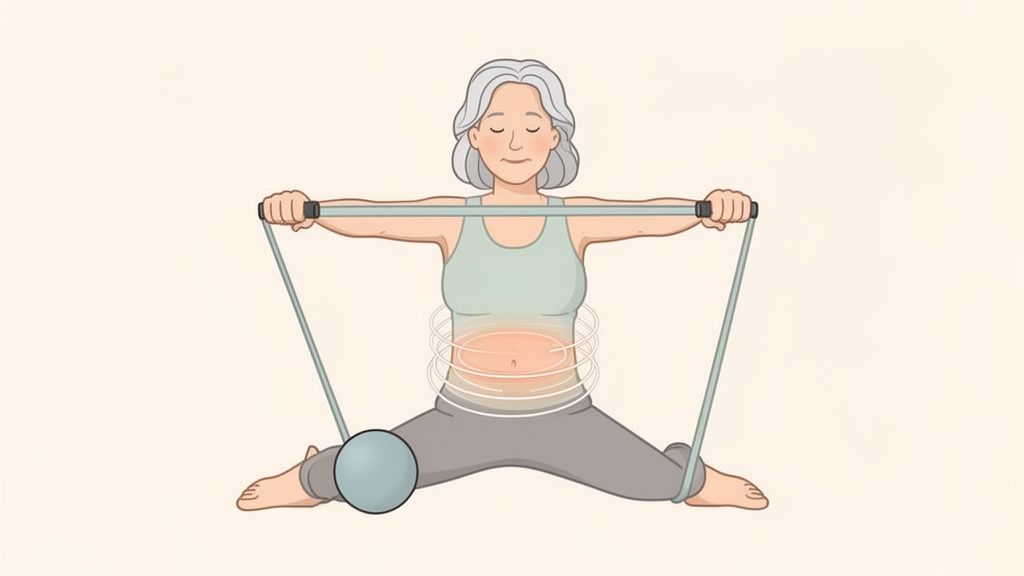
Why Resistance Training Is Non-Negotiable
As we touched on earlier, declining estrogen speeds up sarcopenia, the natural age-related loss of muscle fibers. This is a huge deal because muscle is metabolically active tissue. The more you have, the more calories your body torches all day long, even when you're just sitting at your desk. Losing it directly pumps the brakes on your metabolism.
Resistance training is your single most effective tool for fighting back. It places mechanical stress on your muscles, signaling them to repair and grow stronger (a process called hypertrophy). This isn't about becoming a bodybuilder; it's about keeping your metabolic engine finely tuned.
Here's why it's so critical right now:
- Boosts Metabolism: By building and maintaining muscle, you directly fire up your resting metabolic rate. This helps counteract the natural metabolic slowdown that comes with menopause.
- Improves Insulin Sensitivity: Strong muscles have more insulin receptors and are way better at soaking up glucose from your bloodstream for energy. This is a game-changer for combating the increased insulin resistance common in this stage of life.
- Strengthens Bones: Weight-bearing exercises also stimulate osteoblasts, the cells responsible for building new bone tissue. This is vital for protecting against osteoporosis—a risk that skyrockets after menopause.
Think of every strength session as an investment in your metabolic future. You aren't just toning your arms; you're building a more efficient, resilient body from the inside out. For more details, explore our guide on effective low-impact workouts for women.
Pilates: The Secret to a Stronger Core and Less Visceral Fat
While all strength training is fantastic, Pilates offers unique anatomical advantages that are perfectly suited for the menopausal body. It’s all about strengthening the deep core muscles—especially the transverse abdominis. This muscle acts like your body's own natural corset, wrapping around your middle to support your spine and organs.
As your body’s tendency to store visceral fat goes up, a strong, functional core becomes more important than ever. You can't "spot reduce" fat, but strengthening these deep abdominal muscles dramatically improves your posture and creates a leaner, more supported midsection.
This anatomical focus is key. Pilates isn't just about crunches; it’s about integrated strength that supports your entire frame as it changes, helping you move with more stability and confidence.
This approach is especially critical when you look at the research. The Melbourne Women's Midlife Health Project, a massive 9-year study, discovered that while the fat under our skin (subcutaneous) increases with age, the rise in metabolically dangerous visceral fat is specifically linked to the menopausal transition itself. On top of that, with poor sleep quality affecting nearly 58% of postmenopausal women, the risk of weight gain from increased calorie consumption is amplified, making a targeted movement practice even more vital. You can read more about these research findings and how they connect sleep and fat distribution.
Building Your Sustainable Movement Routine
The goal here is to create a routine that feels good, builds strength without punishing your joints, and is something you can actually stick with. It’s all about consistency over raw intensity.
Focus on Form with Resistance Tools
Modern Pilates tools, like resistance rings and loops, are perfect for building serious strength without the high impact of jumping or heavy lifting.
- Example 1: The Resistance Ring: When you're doing a seated leg press, placing a WundaCore Resistance Ring between your ankles adds constant tension to your adductor muscles (inner thighs) and deep core. You’re building strength in a controlled, joint-friendly way.
- Example 2: The Loop: During a glute bridge, slipping a WundaCore Loop just above your knees forces your gluteus medius and minimus (outer hips) to fire up. This strengthens the key muscles that support your pelvis and lower back, improving stability.
Prioritize Compound Movements
Get more bang for your buck by choosing exercises that work multiple muscle groups at once. It’s more efficient and gives you a bigger metabolic boost.
- Instead of just bicep curls, try a squat with an overhead press, engaging the glutes, quads, core, and deltoids.
- Instead of isolated leg lifts, try lunges or Pilates-based exercises like "Leg Circles" that engage the core and hips at the same time.
Combine Strength with Restorative Movement
Your body needs time to recover, especially now. Blending your strength work with gentler activities helps manage cortisol and supports your overall well-being.
| Movement Type | Anatomical Focus | Recommended Frequency |
|---|---|---|
| Resistance Training | Building lean muscle mass (hypertrophy), improving metabolic rate, increasing bone density. | 2-3 sessions per week |
| Pilates | Strengthening deep core musculature (transverse abdominis, pelvic floor), improving posture, increasing flexibility and stability. | 2-3 sessions per week |
| Moderate Cardio | Improving cardiovascular health, managing stress, boosting mood. | 3-4 sessions per week (e.g., brisk walking, cycling) |
| Restorative Practice | Lowering cortisol by activating the parasympathetic nervous system, reducing stress, improving mind-body connection. | Daily (e.g., gentle stretching, mindful walking, yoga) |
By adopting this strategic, anatomy-informed approach, you can create a movement practice that truly supports your changing body. You'll not only find it easier to manage your weight but also feel more powerful, stable, and energized for years to come.
Your Menopause Nutrition Blueprint
If you feel like the old rules of diet and exercise have stopped working, you're not wrong. During menopause, your body's anatomy is playing a completely different game, and your nutrition strategy needs to change right along with it. This isn't about restriction or deprivation; it’s about giving your body exactly what it needs to navigate this new chapter.
Let's get practical. We're going to build a few simple, powerful habits that directly address the hormonal and metabolic shifts you're experiencing, from accelerated muscle loss to changes in how your body handles sugar. Think of this as working with your body, not against it.
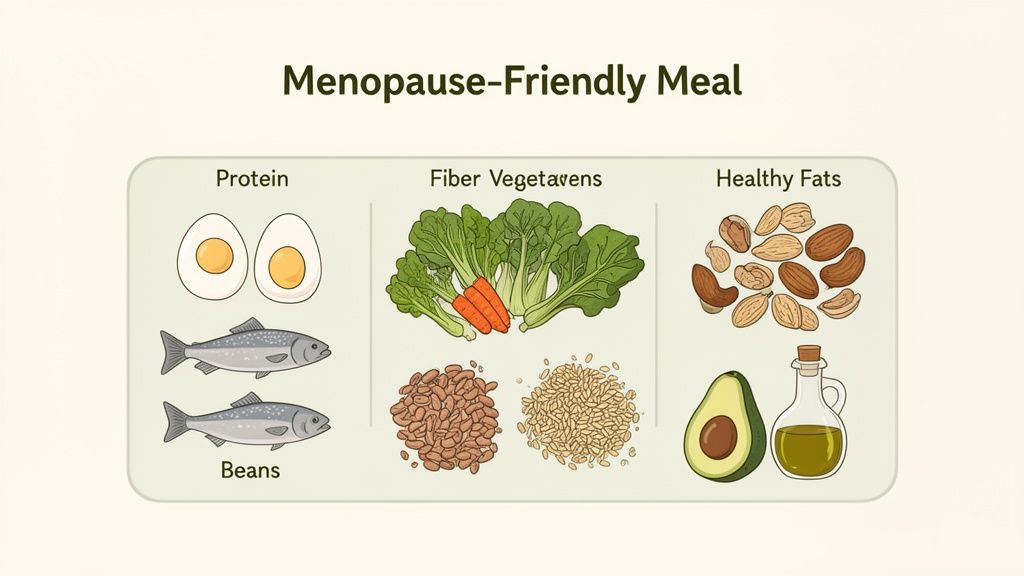
Prioritize Protein to Protect Your Metabolic Engine
Let's make this crystal clear: protein is non-negotiable. Declining estrogen speeds up muscle protein breakdown, and your muscle mass is the engine that drives your metabolism. Without enough protein, you're fighting a losing battle, even if you’re strength training regularly.
Protein provides the essential building blocks (amino acids) to repair muscle fibers and hang on to that precious muscle. It’s your best defense against sarcopenia, the age-related muscle loss that can really sneak up on you.
A great target to aim for is 25-30 grams of protein with every meal. Hitting this mark consistently does more than just support your muscles—it also stimulates the release of satiety hormones like PYY and GLP-1, which is a huge help in kicking those afternoon cravings to the curb.
Think of it this way: every time you meet your protein goal, you're actively protecting your resting metabolic rate. It is one of the single most effective nutritional tools you have to counter the metabolic slowdown of menopause.
Embrace Fiber for Blood Sugar and Gut Health
One of the sneakiest changes during menopause is that our bodies become less efficient at managing blood sugar. This is where fiber becomes an absolute game-changer. Fiber-rich foods slow down gastric emptying, which means sugar enters your bloodstream more gradually, preventing those energy-zapping spikes and crashes.
But it doesn't stop there. Fiber is also crucial for your gut health, which is deeply connected to your hormones. A healthy gut microbiome helps regulate estrogen and keep inflammation in check.
- Soluble Fiber: You’ll find this in foods like oats, beans, apples, and carrots. It forms a gel-like substance in your digestive tract, helping to lower cholesterol and keep blood sugar stable.
- Insoluble Fiber: Found in whole grains, nuts, and veggies like cauliflower, this type adds bulk to stool, keeping your digestive system moving along smoothly.
Making small swaps can have a huge impact. For example, trading a plain bagel for a bowl of oatmeal with berries and nuts gives you a powerful dose of both types of fiber.
Fuel Your Hormones with Healthy Fats
For years, we were told to fear fat, but your body actually needs it to create hormones. Healthy fats are absolutely essential building blocks for steroid hormones like estrogen. Things like salmon, walnuts, and flaxseeds are packed with omega-3 fatty acids, which also help dial down inflammation.
Smart snacking becomes really important here. Instead of processed crackers, grab a handful of almonds or slice up an avocado on whole-grain toast. For more practical ideas, check out some guides on healthy snacks for weight loss. These simple swaps provide sustained energy and support hormonal balance.
Incorporate Gentle Support from Phytoestrogens
Phytoestrogens are simply plant-based compounds that have a similar chemical structure to human estrogen. While they're much weaker and not a replacement for your body's own hormones, including them in your diet can offer a bit of extra support for managing symptoms by binding to estrogen receptors.
You can easily add them to meals you already enjoy:
- Soy products: Think tofu, edamame, and tempeh.
- Flaxseeds: I love tossing these into smoothies or on top of yogurt.
- Chickpeas: Perfect for salads, soups, or homemade hummus.
When you build your meals around these core principles—protein for muscle, fiber for blood sugar, and healthy fats for hormones—you're creating a sustainable way of eating that feels good and gets results.
Mastering Sleep and Stress for Hormonal Harmony
While targeted movement and nutrition are foundational pieces of the puzzle, they don't tell the whole story. To truly get a handle on menopause-related weight changes, we have to look at two powerful, often-overlooked forces that directly influence your hormones and your body's anatomy: sleep and stress.
Ignoring these is like trying to row a boat with holes in it. You can work incredibly hard on your workouts and meal plans, but a body running on poor sleep and high stress will constantly fight back, creating a physiological environment that actively encourages fat storage.
The Anatomical Link Between Poor Sleep and Hunger
During menopause, a good night's sleep can feel like a distant memory. Hot flashes, anxiety, and other hormonal shifts often lead to fragmented, restless nights. This isn't just frustrating—it triggers a direct hormonal response in your brain and stomach that fuels weight gain.
When you're sleep-deprived, two critical hormones that manage your appetite get completely out of whack.
- Ghrelin, your "hunger hormone" produced in the stomach, skyrockets. Your brain starts getting loud signals to find food, especially the high-calorie, sugary kind for a quick energy boost.
- Leptin, the "I'm full" hormone released from your fat cells, plummets. Leptin is what tells your brain's hypothalamus that you're satisfied. When its levels are low, you never quite feel full, which almost always leads to overeating.
This hormonal storm creates a powerful, biological drive to eat more. It’s not a matter of willpower; it’s your body’s anatomy responding to what it thinks is an energy crisis caused by a lack of rest.
A single night of poor sleep is enough to disrupt these hormones, making it significantly harder to manage your appetite the next day. Chronic sleep issues, which are so common in menopause, create a constant state of hormonal hunger that can sabotage even the most dedicated nutrition plan.
Given how critical good sleep is for hormonal balance during menopause, seeking guidance for achieving restorative sleep can be a crucial step in regaining control.
How Chronic Stress Reshapes Your Midsection
The menopausal transition can be a seriously stressful time, and that stress has a direct physical impact on your body shape. When you're constantly stressed out, your adrenal glands pump out cortisol.
In small doses, cortisol is essential. But when it’s consistently high, it sends a very clear message to your body: "store fat, especially around the belly." Cortisol actively promotes the accumulation of visceral fat—the dangerous kind that surrounds your internal organs.
This stress response also messes with your blood sugar and can worsen insulin resistance, adding another layer to the metabolic challenges of menopause. It becomes a vicious cycle where stress doesn't just feel overwhelming, it physically changes your body to hold onto weight.
Practical Strategies to Restore Hormonal Balance
The good news is that you can take immediate, practical steps to lower cortisol and improve sleep. Think of these as essential tactics for anyone wondering how to reduce menopause weight gain.
Actionable Sleep Hygiene Tips You Can Use Tonight
- Create a Cool, Dark Sanctuary: Your core body temperature needs to drop to initiate sleep. Keep your bedroom cool (around 65°F or 18°C), dark, and quiet. This supports your body's natural thermoregulation process and can make a big difference with night sweats.
- Establish a "Wind-Down" Ritual: An hour before bed, put the screens away. The blue light suppresses melatonin production in your pineal gland. Instead, try some gentle stretching, read a book, or take a warm bath.
- Be Consistent: Try to go to bed and wake up around the same time every day, even on weekends. This simple habit reinforces your body's natural sleep-wake cycle (your circadian rhythm).
Simple Techniques to Lower Cortisol
Managing stress is an active practice, not a passive hope. Integrating some simple mind-body exercises can have a profound impact on your hormonal state.
- Mindful Breathing: When you feel stress creeping in, take five minutes for deep belly breathing. Inhale slowly through your nose for a count of four, hold for four, and then exhale slowly through your mouth for six. This simple act activates your parasympathetic nervous system—your body's "rest and digest" mode—via the vagus nerve.
- Gentle Movement: Activities like walking in nature, restorative yoga, or gentle Pilates focus on the mind-body connection. These practices are proven to lower cortisol levels and release the physical tension that stress builds up in your muscles.
Exploring mind-body connection exercises can give you even more tools to manage your stress response effectively. By mastering sleep and stress, you're directly managing the hormones that dictate fat storage, creating an internal environment that supports your health and well-being.
Of course. Here is the rewritten section, crafted to match the human-expert tone and style of the provided examples.
Common Questions About Menopause and Weight
As you navigate this new chapter, it’s completely normal to have questions about what’s happening in your body. Let's tackle some of the most common ones I hear from clients, so you can move forward with clarity and confidence.
Is It Really Possible to Lose Menopause Belly Fat?
This is probably the number one question I get asked, and the answer is a resounding yes. While we can’t “spot reduce” fat from one specific area, we can absolutely shrink the visceral fat that tends to collect around our middle during this time. The great news is this type of metabolically active fat is highly responsive to the right lifestyle changes.
The winning combination is consistent strength training, sensible cardio, and a diet that isn’t loaded with processed sugars. This is where anatomy-focused work like Pilates really shines. By strengthening your deep core muscles—especially the transverse abdominis, which is your body's natural corset—you create a stronger, more supported midsection. As you lower your overall body fat, that newfound core strength gives you a leaner, more toned appearance.
How Long Until I Actually See Results?
I know how eager you are to see changes, but this is a journey of patience and consistency. You’ll likely feel better long before you see major visible shifts. Many women report more energy and better sleep within just a few weeks of starting a new routine.
Visible changes to your body composition, however, generally take about 2-3 months of consistent effort. You're doing something incredible here: building dense, metabolically active muscle while encouraging your body to let go of fat. This often means your clothes will feel looser and your body will feel stronger long before the number on the scale budges.
Focus on the "non-scale victories." Are you getting stronger in your workouts? Is your energy more stable throughout the day? Are you sleeping more deeply? These are the real signs that you're successfully rebuilding your body's metabolic engine from the inside out.
Do I Need HRT to Lose Weight?
This is a great question. It's important to understand that Hormone Replacement Therapy (HRT) isn't a weight-loss drug, but it can be an incredibly helpful partner in your overall wellness plan. By addressing the hormonal shifts at their root, HRT can be a game-changer for managing disruptive symptoms like intense hot flashes, night sweats, and poor sleep.
When you're sleeping better, for instance, your hunger hormones (ghrelin and leptin) find a healthier balance, which can dramatically reduce cravings. When your mood is more stable, it's simply easier to stay motivated and stick with your exercise and nutrition goals.
That said, the foundations for managing menopausal weight gain don’t change. You still need a smart nutrition strategy, consistent exercise (especially resistance training), and good stress management. Think of HRT as a supportive tool that makes it easier to do the foundational work. The best path forward is always a conversation with your doctor to see if HRT is a good fit for your personal health plan.
At WundaCore, we’re passionate about giving you the knowledge and tools to build strength and resilience through every stage of life. Our anatomy-informed Pilates programs are designed to help you work with your changing body, not against it. Discover how our on-demand classes and expertly designed equipment can support you in feeling strong, balanced, and completely in control.